
After a long and busy day, finding time to relax can make a big difference to how you feel. Between work, family responsibilities, and everyday activities, many people struggle to switch off and give themselves time to unwind. Creating a simple evening wellness routine can help make bedtime feel more peaceful and enjoyable. From gentle stretching and skincare to reducing screen time, small habits can support relaxation. Recently, red light technology has also attracted attention as another option people are exploring as part of their personal wellness routines.
Adding a Red Light Therapy Device to Your Evening Routine
A red light therapy device can be an interesting addition to an evening self-care routine, especially for people interested in non-invasive wellness treatments. These devices use specific wavelengths of red and near-infrared light that interact with biological processes in the body. Research into photobiomodulation has explored its potential effects on skin health, cellular activity, and recovery. Using a device in the evening may also give you a dedicated opportunity to slow down and focus on yourself. However, it is important to understand that red light therapy is not a proven treatment for insomnia, and results can vary depending on the device and individual.
Creating a Peaceful Environment Before Bedtime
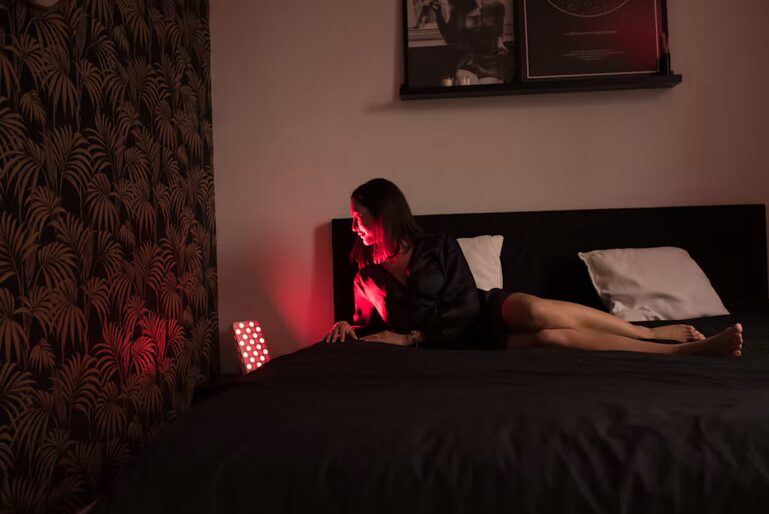
Your surroundings can have a noticeable effect on how easily you relax at night. A cluttered room, bright lighting, and constant background noise can make it harder to settle down after a busy day. Consider making your bedroom more comfortable by using soft lighting, keeping the temperature pleasant, and reducing unnecessary distractions. Some people also enjoy incorporating their wellness devices into a quiet evening space. When your environment feels peaceful, it becomes easier to develop consistent habits that encourage relaxation and prepare you for sleep.
Understanding the Relationship Between Light and Sleep
Light plays an important role in regulating the body’s natural sleep-wake cycle, also known as the circadian rhythm. Exposure to bright light, particularly in the evening, can affect melatonin production and make it harder for some people to feel sleepy. Red light is often discussed in wellness settings because it differs from the blue-rich light emitted by many electronic screens. However, evidence that red light exposure directly improves sleep remains limited. Choosing appropriate lighting, dimming screens, and maintaining a regular bedtime are still important steps towards supporting healthy sleep patterns.
Combining Skincare With Your Nighttime Wellness Habits
Evening skincare is another simple way to make self-care feel more enjoyable. After spending the day outdoors or in different environments, taking a few minutes to cleanse and moisturise your skin can help maintain its condition. Some people also explore red light treatments as part of their skincare routines because certain wavelengths have been studied for their potential role in supporting collagen production and improving the appearance of fine lines. When used according to manufacturer instructions, these treatments may complement other skincare habits. Consistency and appropriate sun protection during the day remain important for maintaining healthy skin.
Making Relaxation a Daily Priority
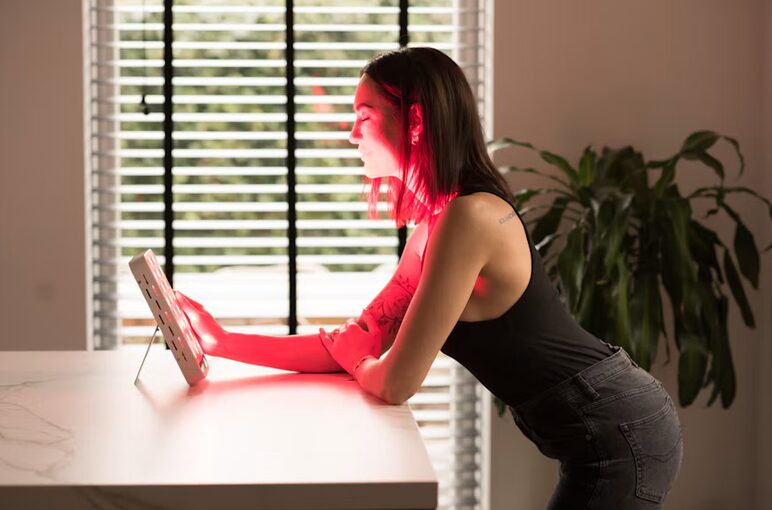
Relaxation should not be something you only think about when you are exhausted. Making time for activities that help you unwind can support your overall well-being. Reading a book, listening to calming music, practising gentle yoga, or enjoying a warm shower are simple ways to transition from a busy day into a quieter evening. Some people prefer to include wellness technologies in these moments, while others find traditional relaxation activities more helpful. The important thing is to identify habits that make you feel comfortable and are easy to maintain.
Supporting Physical Recovery After a Long Day
Daily activities can leave your body feeling tired, especially if your routine involves exercise, prolonged sitting, or physically demanding work. Giving yourself time to recover is an important part of maintaining an active lifestyle. Red and near-infrared light treatments are being studied for their potential effects on muscle recovery and temporary discomfort. Other helpful recovery habits include gentle stretching, drinking enough water, eating balanced meals, and getting adequate rest. Combining these practices can help create a more complete approach to everyday physical wellness.
Choosing Safe and Reliable Red Light Devices
If you are considering adding light-based treatments to your evening routine, choosing an appropriate device is essential. Look at the wavelengths offered, recommended treatment times, irradiance information, and safety instructions. It is also worth checking whether the manufacturer provides clear information about testing and relevant regulatory clearances. Avoid assuming that more exposure will produce better results, as following the recommended treatment schedule is important. People with light sensitivity or those taking medications that increase sensitivity to light should seek professional medical advice before using these devices.
Red light devices may be a useful addition to a relaxing evening wellness routine, particularly for people interested in skincare and non-invasive recovery options. However, they work best as a complement to healthy daily habits rather than a replacement for them. By creating a peaceful environment, limiting evening screen exposure, and making time for relaxation, you can build a nighttime routine that supports your overall well-being.